Your plumbing fixtures may be telling you something about the water moving through your home.
White deposits around faucets, reduced shower flow, frequent water heater maintenance, cloudy water, or buildup inside fixtures can sometimes be more than ordinary wear and tear. Water quality can influence how plumbing fixtures, appliances, and water-heating equipment perform over time.
For homeowners in Atlantic Beach, understanding the relationship between water quality and plumbing can help when deciding whether a water softener, filtration system, or professional plumbing assessment is appropriate.
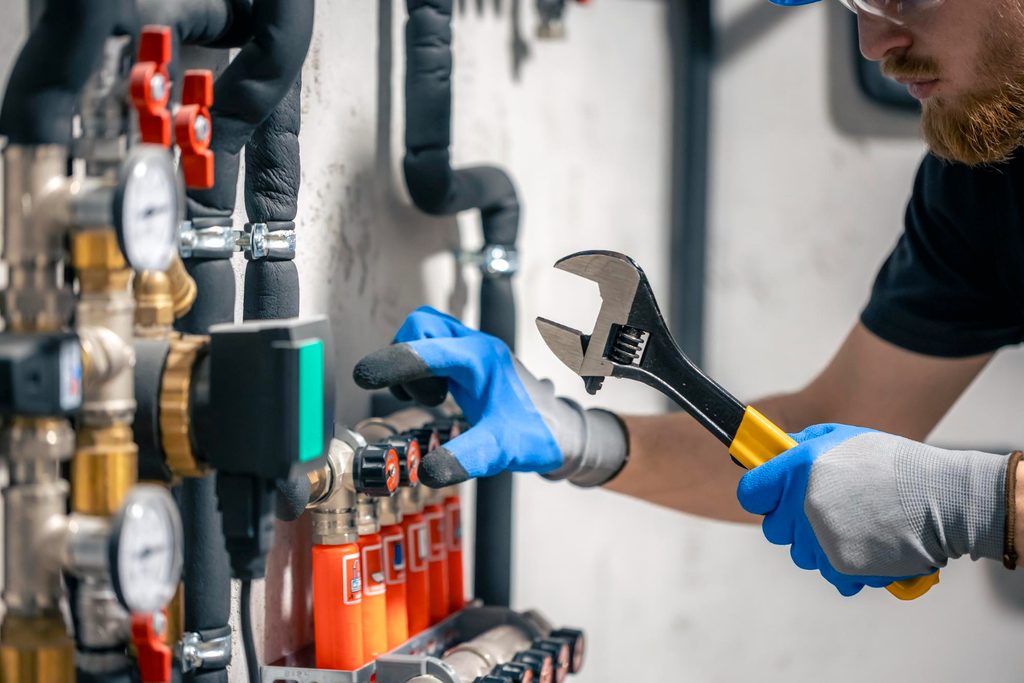
Why Water Quality Matters to Your Plumbing
Water is constantly moving through your home’s plumbing system. It passes through supply pipes, faucets, showerheads, toilets, water heaters, washing machines, dishwashers, and other fixtures.
The characteristics of that water can influence what accumulates inside equipment and around connections.
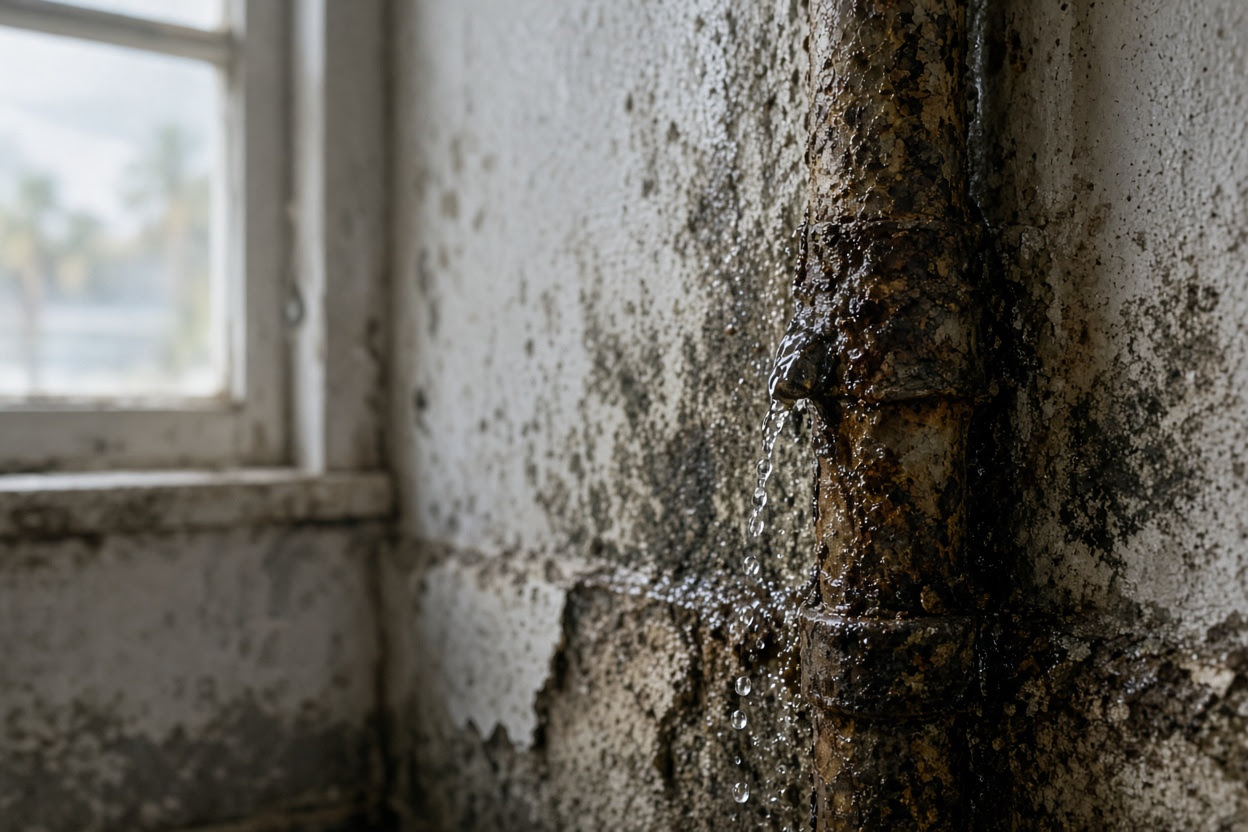
Mineral deposits are one example. Over time, minerals can leave residue on fixtures and surfaces. This may appear as white or chalky buildup around faucets, showerheads, and other water outlets.
While wiping away visible residue can improve the appearance temporarily, repeated buildup may indicate that the underlying water-quality issue deserves attention.
Look at Your Faucets for Early Warning Signs
Faucets are often among the first places homeowners notice water-related buildup.
If you frequently see deposits around the aerator, faucet base, or water outlet, it may be worth investigating the condition of the water rather than repeatedly cleaning the fixture.
Buildup around moving components can also affect how smoothly fixtures operate.
Professional faucet repair can address mechanical problems, but if similar buildup appears throughout the property, a broader water-quality assessment may be worth considering.
Showerheads Can Reveal Mineral Buildup
A showerhead that gradually loses water flow can be frustrating.
Mineral deposits can accumulate around the small openings through which water flows. As those openings become restricted, the shower may produce uneven or reduced flow.
Cleaning the showerhead may temporarily improve performance. However, if the problem repeatedly returns, homeowners may want to consider whether water quality is contributing to the buildup.
This is where plumbing professionals can help distinguish between an isolated fixture issue and a broader system concern.
Water Heaters Deserve Special Attention
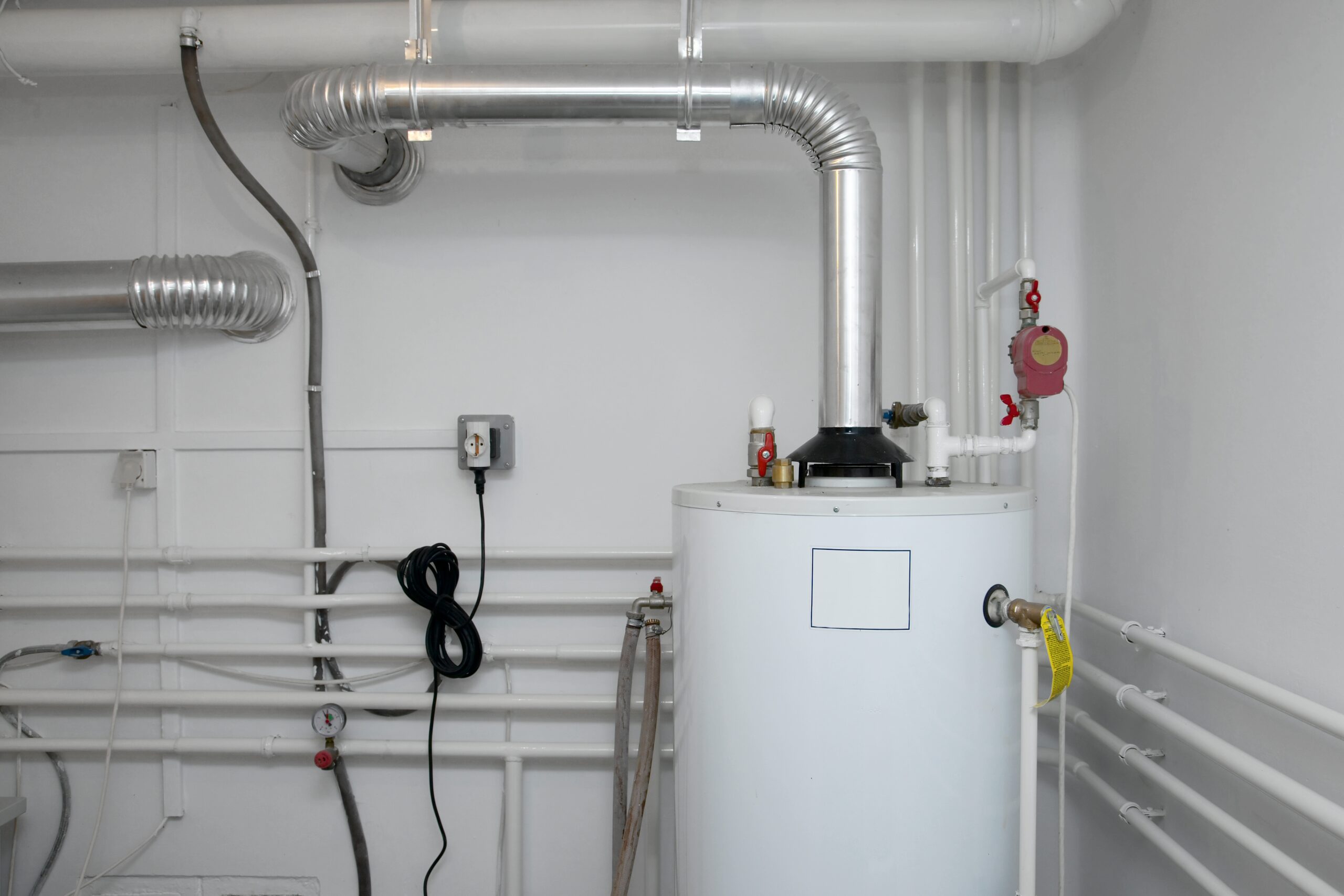
Water heaters continuously heat and store or process water, making them an important part of any water-quality discussion.
Mineral accumulation can affect the performance and efficiency of water-heating equipment. Over time, buildup may contribute to maintenance requirements and reduced performance.
If you notice unusual noises, inconsistent hot water, reduced capacity, or other changes in performance, a professional water heater evaluation can determine whether maintenance or repair is appropriate.
For homeowners replacing an aging system, a plumber can also compare traditional water heaters with tankless options based on household demand, available space, efficiency goals, and budget.
Water Softeners and Water Filtration Are Not the Same
Homeowners often use the terms “water softener” and “water filtration” interchangeably, but they can serve different purposes.
A water softener is generally designed to address hardness-related minerals. Filtration systems, depending on the technology used, can target different water-quality concerns.
The right system depends on what is actually present in the water and what the homeowner wants to accomplish.
Instead of choosing equipment solely because it is popular, it is better to understand the property’s needs first.
A professional plumbing company can help homeowners evaluate available options and determine which type of water-quality equipment may be appropriate.
Watch for Problems Across Multiple Fixtures
One isolated fixture problem does not necessarily indicate a water-quality issue.
However, patterns throughout the home can be more informative.
For example, homeowners may notice:
- Mineral residue around several faucets
- Repeated showerhead buildup
- Spots or deposits on plumbing fixtures
- Reduced performance from multiple fixtures
- Water heater performance concerns
- Frequent cleaning of water-related deposits
- Appliances requiring increased maintenance
When several fixtures show similar signs, it may be worthwhile to investigate the water system rather than treating every fixture individually.
Water Quality Can Influence Appliance Maintenance
Your plumbing fixtures are not the only components exposed to household water.
Dishwashers, washing machines, coffee equipment, water heaters, and other appliances may also come into contact with the property’s water supply.
The type and amount of mineral content can influence deposits and maintenance requirements.
A water-quality solution may therefore be considered as part of a broader approach to protecting plumbing equipment and appliances.
The goal should not be to install equipment unnecessarily, but to select an appropriate solution based on the property’s actual conditions.
Don’t Ignore Changes in Water Appearance
A sudden change in water appearance should not simply be dismissed.
Discolored, cloudy, or unusual-looking water can have different potential causes. The source may involve plumbing components, water-heating equipment, supply conditions, or other factors.
If the change is persistent or accompanied by other plumbing symptoms, a professional assessment can help identify what is happening.
It is particularly important to pay attention when a change affects multiple fixtures rather than just one outlet.
Consider Water Quality During Home Improvements
Renovations are an ideal time to think about the plumbing system as a whole.
If you are remodeling a kitchen or bathroom, replacing a water heater, upgrading fixtures, or making other plumbing improvements, you can also evaluate whether water-quality equipment should be incorporated.
Planning ahead may provide better installation options and help avoid having to modify finished areas later.
For example, a homeowner renovating a kitchen may want to consider filtration alongside a new faucet, sink, or garbage disposal.
Water Quality and Commercial Properties
Water-quality considerations are not limited to residential properties.
Restaurants, offices, apartment buildings, rental properties, and other commercial facilities may have multiple fixtures and appliances operating throughout the day.
Property managers and business owners may benefit from evaluating plumbing performance, water-heating equipment, and water-quality requirements as part of a broader maintenance strategy.
For multifamily properties, addressing water-related concerns at the system level may also be more practical than responding to repeated individual fixture complaints.
How a Plumber Can Help
The first step should be understanding the problem rather than automatically purchasing equipment.
A professional plumbing contractor can evaluate the property’s plumbing fixtures, water-heating equipment, connections, and overall system to determine whether the symptoms appear related to water quality, fixture condition, plumbing components, or another issue.
Depending on the findings, options may include fixture repair, plumbing maintenance, water softener installation, water filtration, water heater service, or another appropriate solution.
Advantage Plumbing provides water softener, water filtration, water heater, plumbing fixture, and broader plumbing services for homeowners and businesses throughout Atlantic Beach and surrounding Northeast Florida communities.
Frequently Asked Questions
1. How can I tell if water quality is affecting my fixtures?
Repeated mineral deposits around multiple faucets and showerheads, recurring buildup, or similar performance issues across several fixtures may justify a professional evaluation.
2. Does a water softener also work as a water filtration system?
Not necessarily. Water softeners and filtration systems can address different water-quality concerns. The appropriate system depends on the specific characteristics of the water and the homeowner’s goals.
3. Can water quality affect a water heater?
Water characteristics can contribute to mineral accumulation and may influence equipment performance and maintenance requirements. Regular professional evaluation can help identify developing issues.
4. Should I install a water softener in a new home?
There is no universal answer. The decision should be based on the property’s water characteristics, household preferences, plumbing system, available space, and desired outcome.
5. Can Advantage Plumbing install water filtration and softener systems?
Yes. Advantage Plumbing provides water softener and water filtration services along with water heater, fixture, piping, and other plumbing solutions.
Protect the Plumbing Behind Your Fixtures
Your faucets, showerheads, water heater, and appliances interact with your home’s water supply every day. When several fixtures begin showing similar signs of buildup or reduced performance, it may be worth looking beyond the individual fixture.
Understanding the relationship between water quality and plumbing can help homeowners make more informed decisions about maintenance, repairs, filtration, and water softening.
Whether you are dealing with recurring fixture buildup, considering a water-quality upgrade, or planning plumbing improvements, a professional evaluation can help identify the right approach for your Atlantic Beach property.
Wondering whether your Atlantic Beach water is affecting your plumbing? Contact Advantage Plumbing for professional water softener, water filtration, water heater, and plumbing services. Visit advantageplumbingfl.com or call (904) 247-9848.