Building a new home, commercial property, apartment community, or other structure in Atlantic Beach requires more than choosing fixtures and connecting a few pipes. Plumbing should be planned as part of the construction process from the beginning. A well-designed plumbing system can improve water flow, simplify maintenance, accommodate future needs, and help prevent expensive modifications later.
For builders and property owners in Atlantic Beach, Jacksonville Beach, Neptune Beach, Ponte Vedra, and nearby Northeast Florida communities, working with an experienced plumbing contractor during the planning stage can make the entire project more efficient.
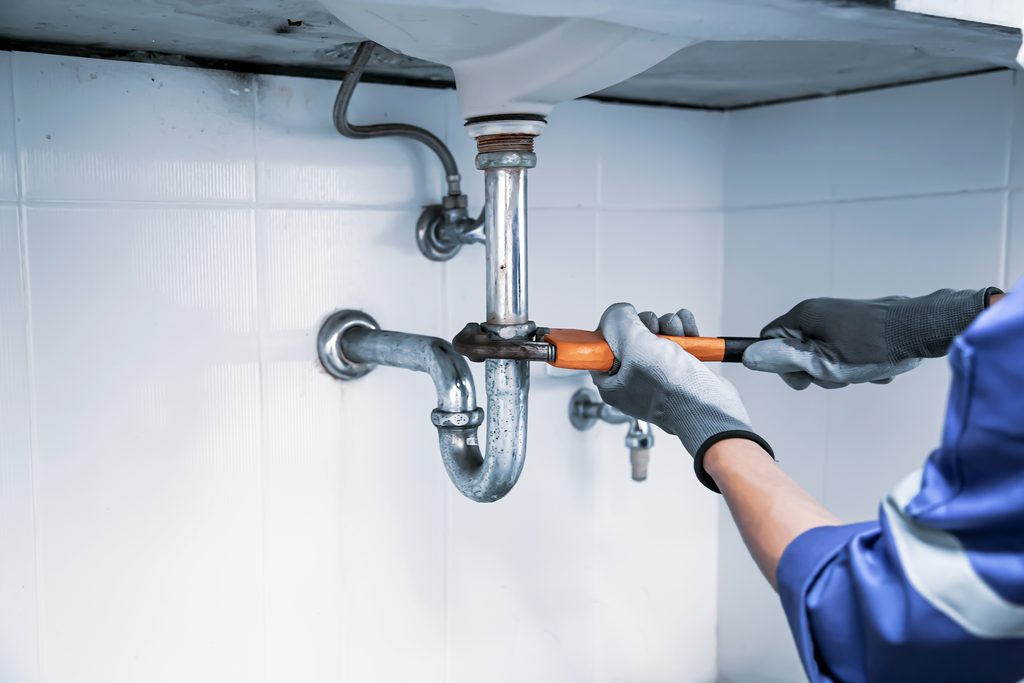
Start Plumbing Planning Before Construction Begins
One of the biggest mistakes in new construction is treating plumbing as something that can be figured out after the floor plan is finalized.
Plumbing affects walls, floors, ceilings, bathrooms, kitchens, utility spaces, water heaters, sewer connections, and mechanical areas. Pipe routes need to be considered alongside the architectural design.
Before construction begins, the plumbing contractor should review the building plans and identify where water supply lines, drainage pipes, fixtures, water-heating equipment, and other components will be located.
Early planning can help avoid situations where plumbing routes conflict with structural elements or require unnecessary changes during construction.
Map Every Plumbing Fixture
A complete plumbing plan should account for every fixture that will require water or drainage.
For a residential property, this may include:
- Kitchen sinks
- Bathroom sinks
- Toilets
- Showers
- Bathtubs
- Washing machines
- Dishwashers
- Water heaters
- Outdoor showers
- Hose bibs
- Utility sinks
Commercial and multifamily buildings can have substantially more complex requirements. Restaurants, offices, apartment buildings, retail properties, and other facilities may require multiple bathrooms, utility areas, specialized equipment connections, and larger water and drainage systems.
Planning fixture locations early helps determine the required pipe sizes and routing.
Plan the Water Supply System Around Future Demand
A new property should have a water distribution system designed around its expected usage.
The number of bathrooms, occupants, appliances, fixtures, and commercial equipment can all affect water demand. If the system is undersized, occupants may experience inadequate water flow when multiple fixtures operate simultaneously.
A professional plumbing contractor can evaluate the project’s requirements and develop a water supply strategy that supports expected demand.
For larger properties, this planning becomes even more important because multiple units or fixtures may be operating at the same time.
Think Carefully About Water Heater Placement
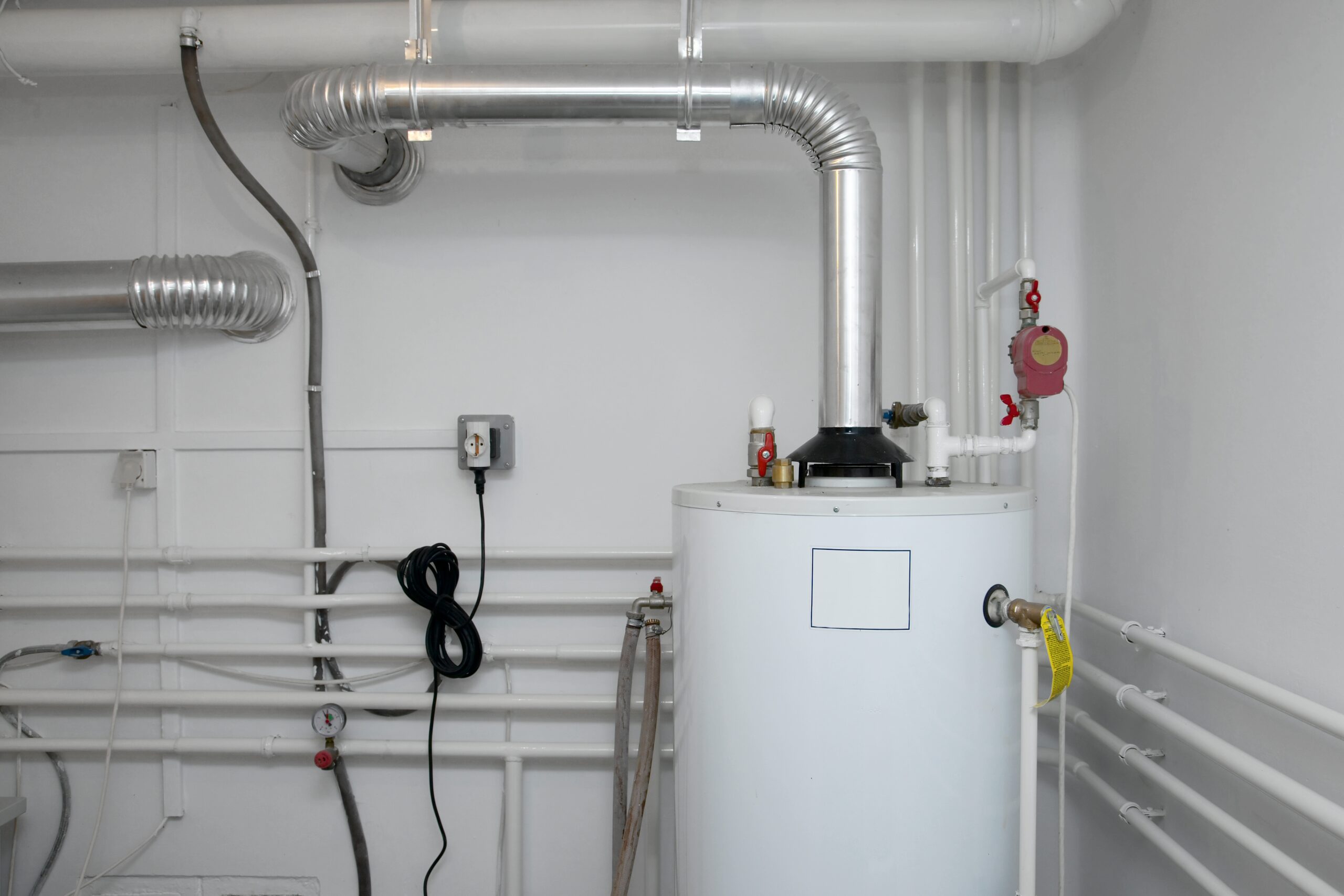
Water heater placement is another important consideration during new construction.
The location should provide appropriate access for installation, maintenance, and future service. It should also work with the building’s overall plumbing layout.
Homeowners and builders may also need to decide whether a traditional tank water heater or tankless system is more appropriate.
Tankless water heaters can provide on-demand hot water and may be attractive when space efficiency and household demand are priorities. However, the correct choice depends on the property’s size, usage patterns, available utilities, budget, and installation requirements.
Making this decision before construction progresses too far can help ensure that the necessary infrastructure is properly planned.
Don’t Overlook Kitchen and Bathroom Plumbing
Kitchens and bathrooms typically contain a significant concentration of plumbing fixtures, which makes their layouts particularly important.
A bathroom remodeling project can sometimes involve moving existing plumbing, but new construction provides the advantage of designing the system correctly from the outset.
Builders should consider fixture positioning, drain routes, supply lines, shutoff access, water heater distance, and maintenance access.
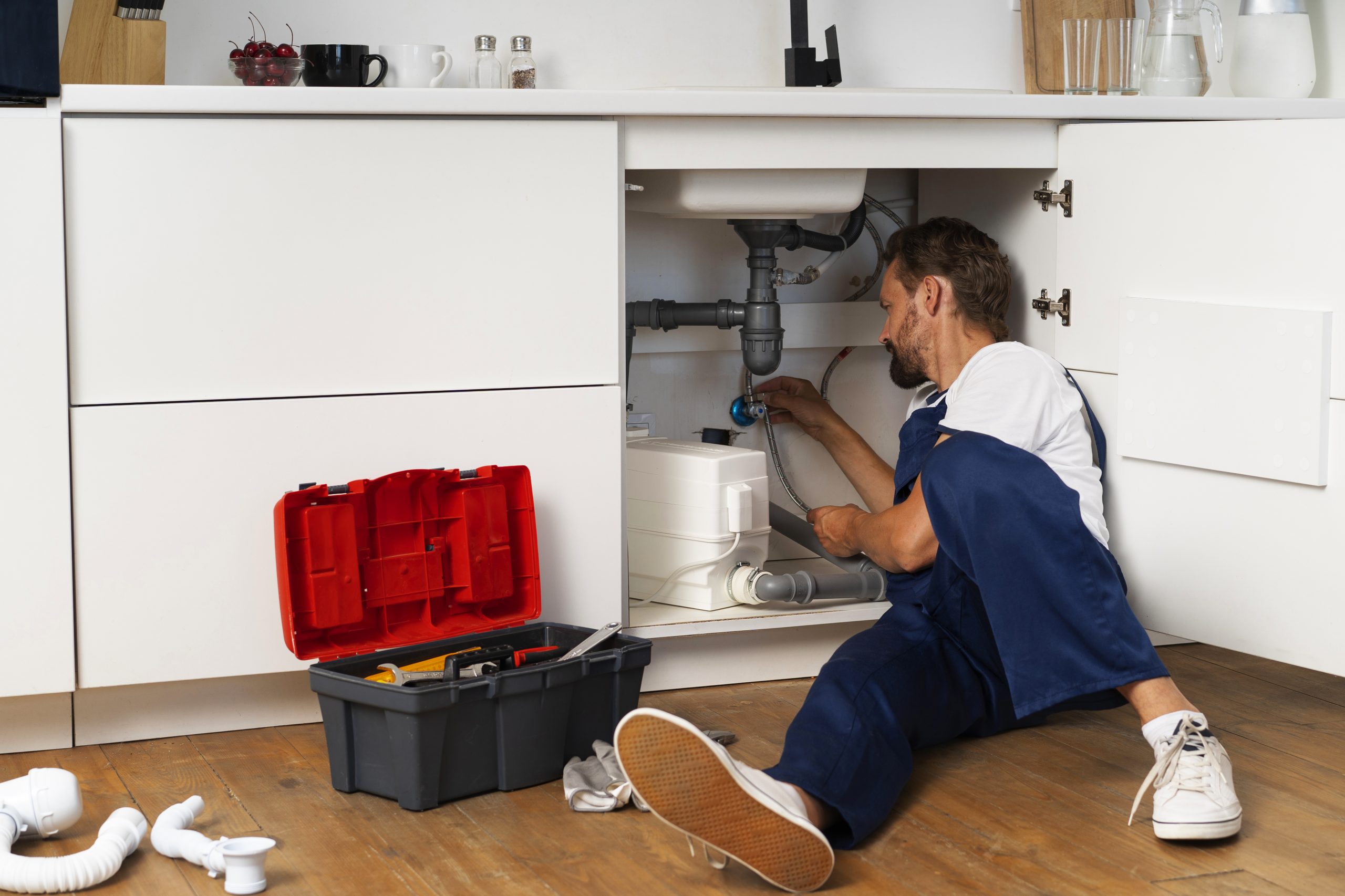
In kitchens, plumbing may need to accommodate sinks, dishwashers, garbage disposals, filtration systems, and other equipment.
Good planning can help create functional spaces without forcing pipes into difficult or inefficient locations.
Include Outdoor Plumbing
Outdoor plumbing is easy to overlook during the early stages of construction.
Atlantic Beach properties may benefit from outdoor showers, hose bibs, irrigation-related connections, pool-area plumbing, or other exterior water needs.
If an outdoor shower is part of the property’s design, its hot and cold water supply and drainage should be considered before concrete, walls, landscaping, and other finished elements are installed.
Adding exterior plumbing during the original construction phase is generally more straightforward than attempting to retrofit it later.
Plan Gas Lines Before Walls Are Closed
If a property will use gas appliances or equipment, gas line planning should be incorporated into the construction design.
Potential applications may include water heaters, cooking appliances, outdoor equipment, or other approved gas-powered systems.
Gas piping requires appropriate professional planning and installation. Routes, connections, equipment locations, and accessibility should be addressed before walls and ceilings are completed.
Leaving gas-related decisions until late in construction can result in unnecessary changes or delays.
Consider Sewer and Drainage From the Beginning
A building needs more than clean water coming in. Wastewater must also be safely and efficiently carried away.
Drain and sewer planning should account for fixture locations, pipe routing, slope, cleanout access, and the property’s connection to the appropriate sewer infrastructure.
Cleanouts are particularly important because they can provide access for future inspection and service.
Including sewer cleanout installation as part of the original plumbing design can make future maintenance more practical and may reduce the difficulty of accessing certain sections of the system.
Build for Maintenance, Not Just Installation
A plumbing system should not only work when the building is brand new. It should also be serviceable years later.
Important considerations include:
- Accessible shutoff valves
- Properly positioned cleanouts
- Serviceable water heaters
- Accessible plumbing connections
- Logical pipe routing
- Appropriate fixture spacing
- Maintenance access around equipment
These details may not be noticeable when the building is complete, but they can make a significant difference when repairs or upgrades are eventually required.
Plan for Water Quality
New construction also provides an opportunity to consider water-quality equipment before the plumbing system is completed.
Depending on the property’s needs, homeowners may consider water softeners or filtration systems.
Planning these systems early can help determine where equipment should be installed, how it will connect to the plumbing, and how much space should be reserved for future maintenance.
This is particularly useful when homeowners want to integrate water-quality improvements into the property instead of adding equipment as an afterthought.
New Construction Plumbing for Multi-Family and Commercial Properties
Large projects require an even more coordinated approach.
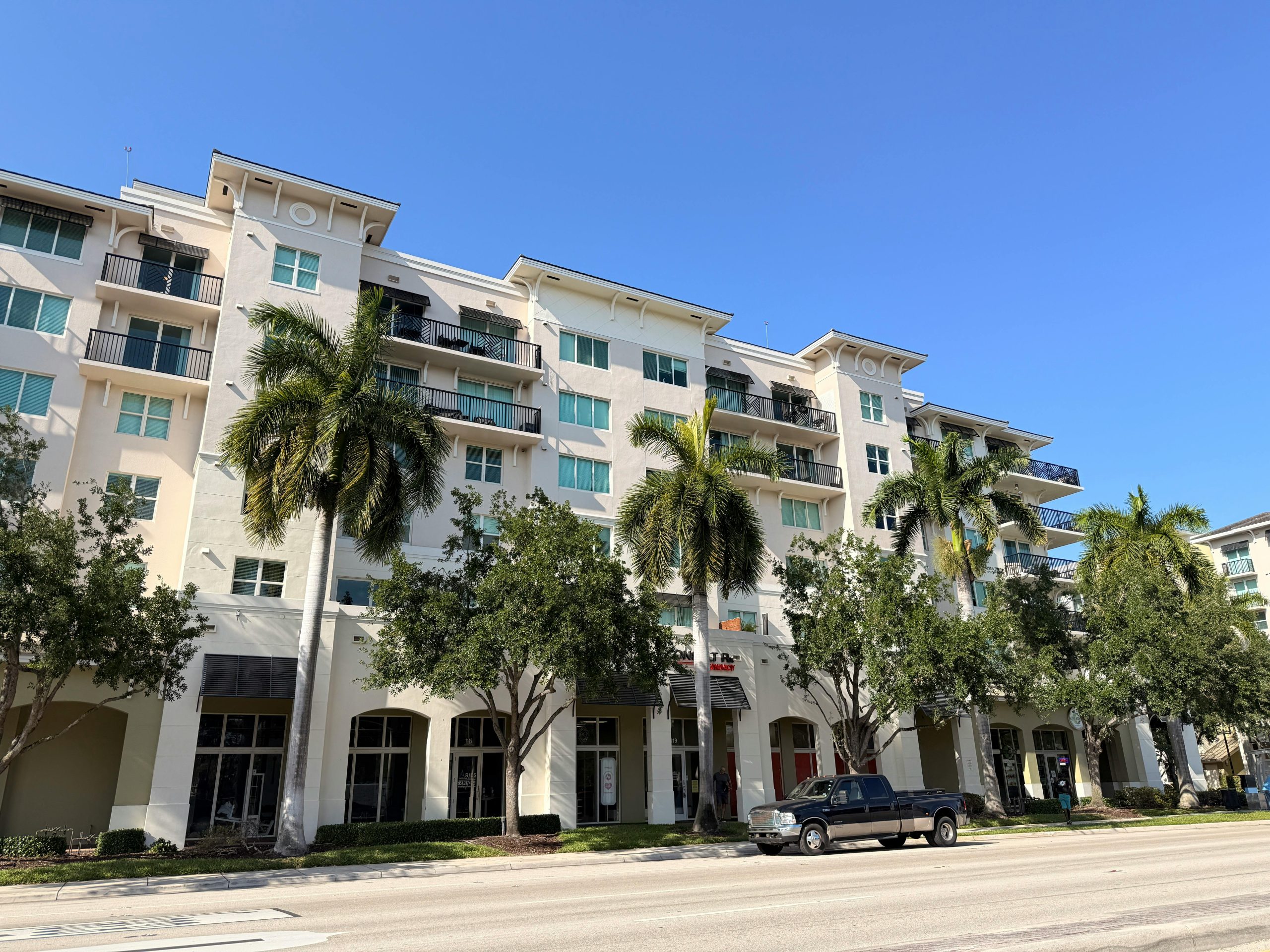
Apartment communities, offices, retail properties, and other commercial developments may involve multiple bathrooms, kitchens, water heaters, drainage systems, water lines, and individual units.
A plumbing contractor needs to coordinate with builders and other trades so plumbing work progresses according to the construction schedule.
Proper planning can help reduce conflicts between plumbing, electrical, HVAC, structural, and finishing work.
Why Experienced Plumbing Planning Matters
New construction plumbing is fundamentally different from responding to an emergency repair. The objective is not simply to fix an existing problem but to design and install a system that supports the property for years.
Advantage Plumbing works with homeowners, builders, property managers, commercial clients, and multifamily projects throughout Atlantic Beach and surrounding Northeast Florida communities.
The team provides new construction plumbing alongside water heaters, piping, gas lines, water systems, bathroom and kitchen plumbing, sewer cleanout installation, backflow services, and other plumbing solutions.
Starting the plumbing conversation early gives your project a better opportunity to address important decisions before construction reaches the point where changes become difficult or expensive.
Frequently Asked Questions
1. When should plumbing planning begin for a new construction project?
Plumbing should be considered during the design and planning phase, before walls, floors, and other structural elements are finalized. Early coordination helps determine fixture locations, pipe routes, water-heating requirements, and drainage needs.
2. Should outdoor showers be included in the original plumbing plan?
Yes. If an outdoor shower is part of the property design, planning it during construction can simplify water supply and drainage installation compared with adding it after the property is completed.
3. Should I choose a water heater before construction starts?
Ideally, yes. The type and location of the water heater can affect plumbing layout, utility connections, available space, and access for future maintenance.
4. Is new construction plumbing available for commercial and apartment projects?
Yes. New construction plumbing can be designed for single-family homes as well as multifamily and commercial properties. Larger projects typically require more detailed coordination and planning.
5. Why are sewer cleanouts important in a new building?
A properly positioned sewer cleanout provides access to portions of the drainage system for future maintenance, inspection, and line clearing. Including access during construction can make future service more efficient.
Plan Your Atlantic Beach Plumbing Project With the Right Team
A successful construction project depends on decisions made long before the final fixtures are installed. From water distribution and drainage to water heaters, outdoor showers, gas lines, and sewer access, every component should work together as part of a complete plumbing system.
If you are planning a new home, commercial building, multifamily property, or construction project in Atlantic Beach, discuss your plumbing requirements with an experienced local contractor before construction begins.
Planning new construction in Atlantic Beach, FL? Contact Advantage Plumbing for professional new construction plumbing services and project planning. Visit advantageplumbingfl.com or call (904) 247-9848 to discuss your project.