SMALL MAINTENANCE. IMPORTANT PROTECTION.
Sewer Smells? Don’t Forget the Water in Your Drain Traps
Unused drains can lose their water seal. A recent business visit shows why trap maintenance belongs on your checklist.
A sink you rarely use can still need attention. So can a floor drain, laundry drain or drinking fountain in a quiet part of a building. When water evaporates from a drain trap, the water seal that helps block sewer odors can disappear with it.
What the water in a P-trap does
A P-trap is the curved section of a drain that retains a small amount of water after the fixture drains. That water forms a barrier between the room and gases in the drainage system. Under a sink, you can often see the curved pipe; other traps are hidden beneath fixtures or floors.
Normal use replenishes the seal. When a fixture sits unused, the water can evaporate and allow sewer odors into the space. This is a familiar issue in vacant commercial units, seldom-used bathrooms and other areas with little activity. Princeton’s Environmental Health and Safety office explains how unused traps dry out.
A recent business visit
Advantage Plumbing recently responded to a report of a strong sewer odor at a business property. We inspected the plumbing fixtures, including the toilet, and checked drain traps for water.
We ran water through the drinking fountains and laundry sink to replenish their trap seals. An unused washing-machine drain also needed attention, so we added water to fill its P-trap.
We checked the pump serving the drinking fountains and found no odor in that area. We also inspected the accessible ceiling area for possible venting issues.
The water heater needed attention, too
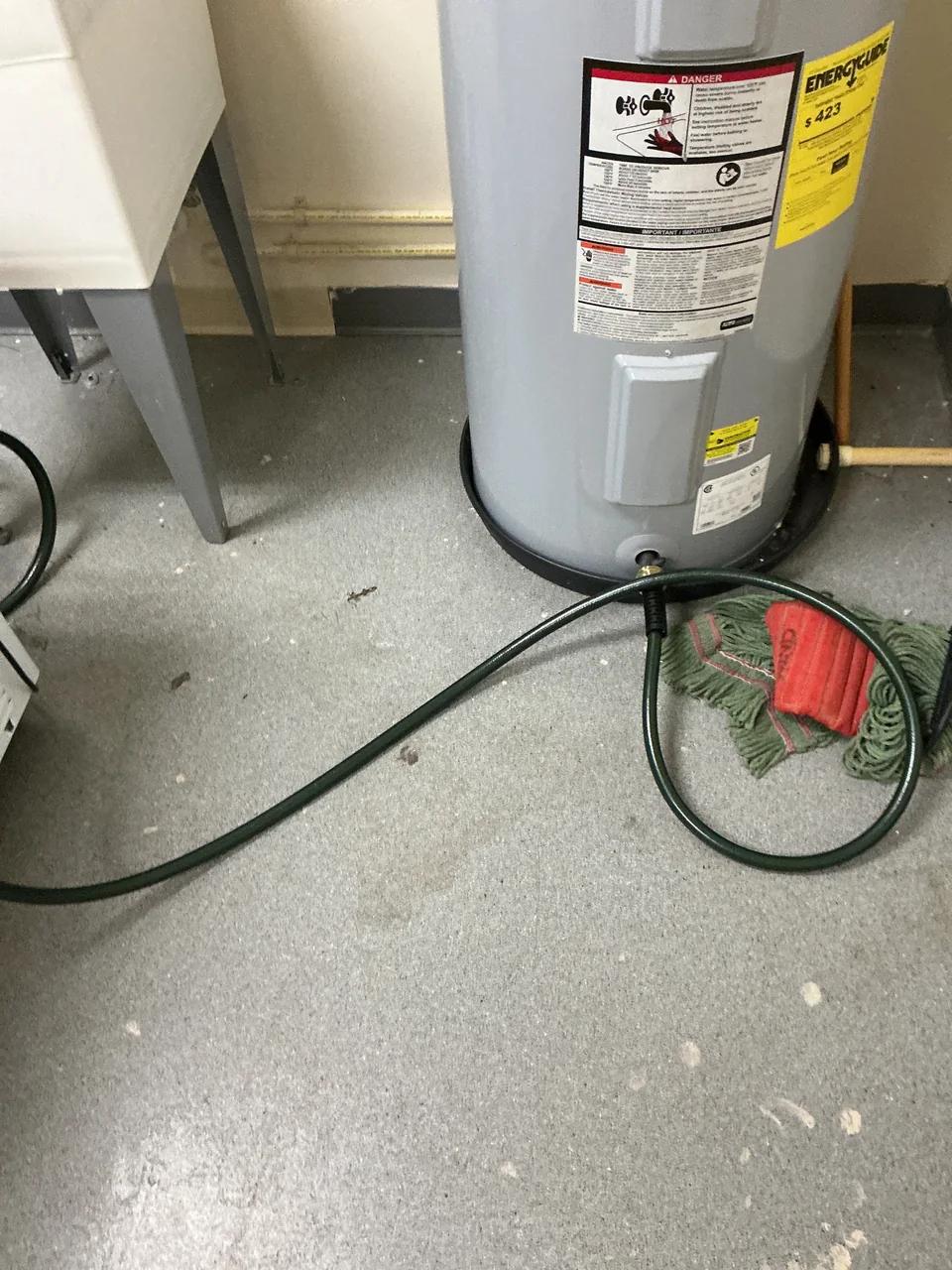
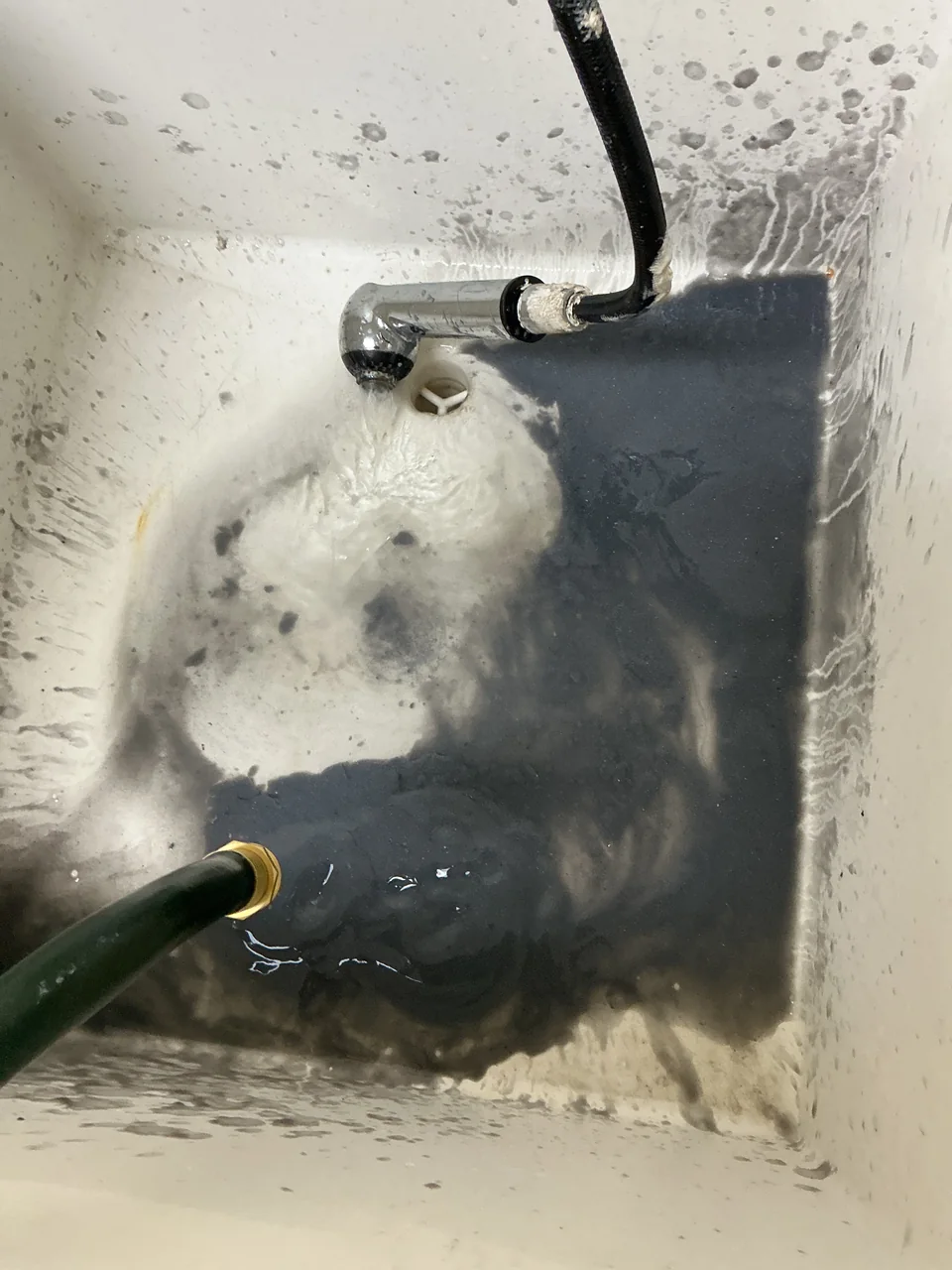
During the same visit, we noted a strong odor associated with the water heater and dark, stagnant water during flushing. Our team flushed the heater through a garden hose, requiring four attempts to complete the flush, and cleaned the faucet aerators to improve flow.
Rust was also visible on top of the heater. We recommended monitoring its condition because replacement may be needed in the future. The visit was a reminder to investigate odors carefully: the drain traps and water heater each needed attention.
Give unused drains regular attention
Add little-used fixtures to your property-maintenance checklist:
- Periodically run water through seldom-used sinks and other plumbed fixtures to replenish their traps.
- Remember utility sinks, laundry drains and floor drains, including those in storage or back rooms.
- For an identified floor drain, add plain water to refill the trap. Stop if water backs up.
- During a vacancy, assign someone to check the fixtures rather than waiting until the space is occupied again.
A monthly check is a useful starting point; some drains may need attention more often. The City of Minneapolis recommends regular sink use and monthly attention to floor drains. Running one fixture doesn’t refill every separate trap in the building.
When the smell keeps coming back
A persistent odor needs investigation. Tell your plumber where it is strongest, which fixtures have been unused, and whether it returns after the traps are refilled. That helps guide the inspection.
If you suspect a fuel-gas leak, leave the area immediately and call 911 and your gas utility from a safe location. Avoid switches, flames and phone use in the affected area. Follow PHMSA’s gas-leak guidance.
For drain odors at your home or business, contact Advantage Plumbing or call (904) 247-9848. We can inspect the plumbing and discuss the appropriate next step.