REAL JOBS. CLEAR ANSWERS.
Recurring Cast Iron Drain Stoppages: From Jetting to a Long-Term Plan
A major blockage, flaking cast iron, and a careful sequence: clear, inspect, clean, and inspect again.
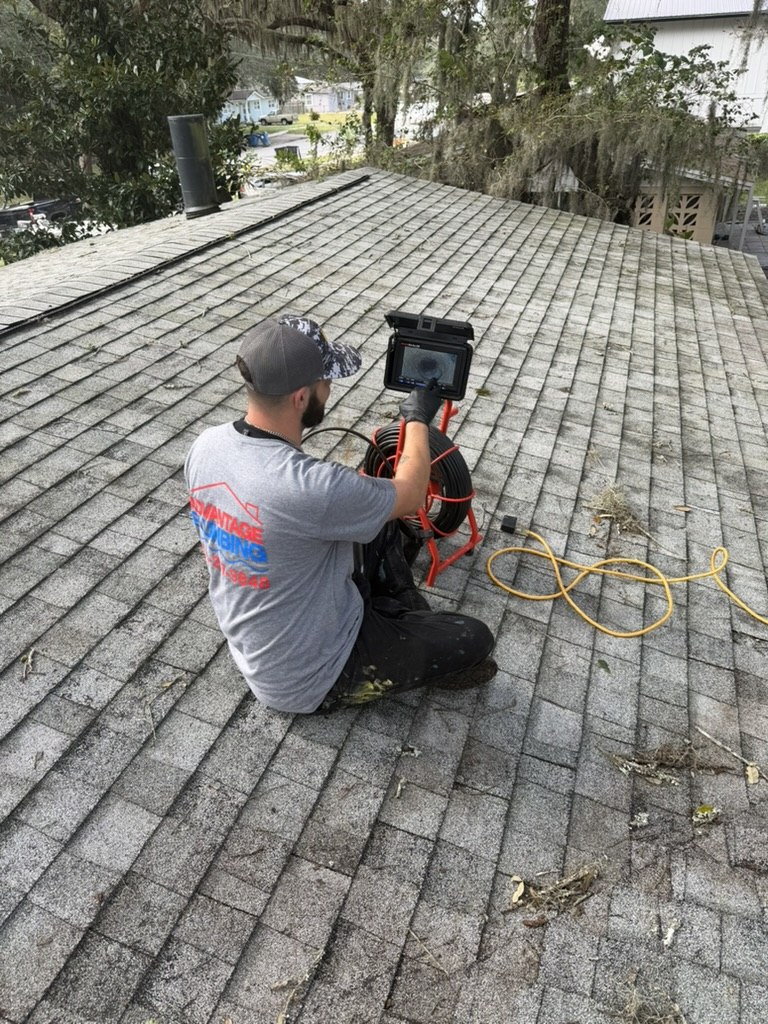
When a drain keeps stopping up, clearing the immediate blockage is only part of the job. At this home, old cast iron drain lines beneath the house were flaking and contributing to repeated stoppages. Our team cleared the laundry drain P-trap, inspected the lines, jetted them, and inspected them again—then gave the homeowner a plan for a lasting repair.
Why this cast iron drain kept backing up
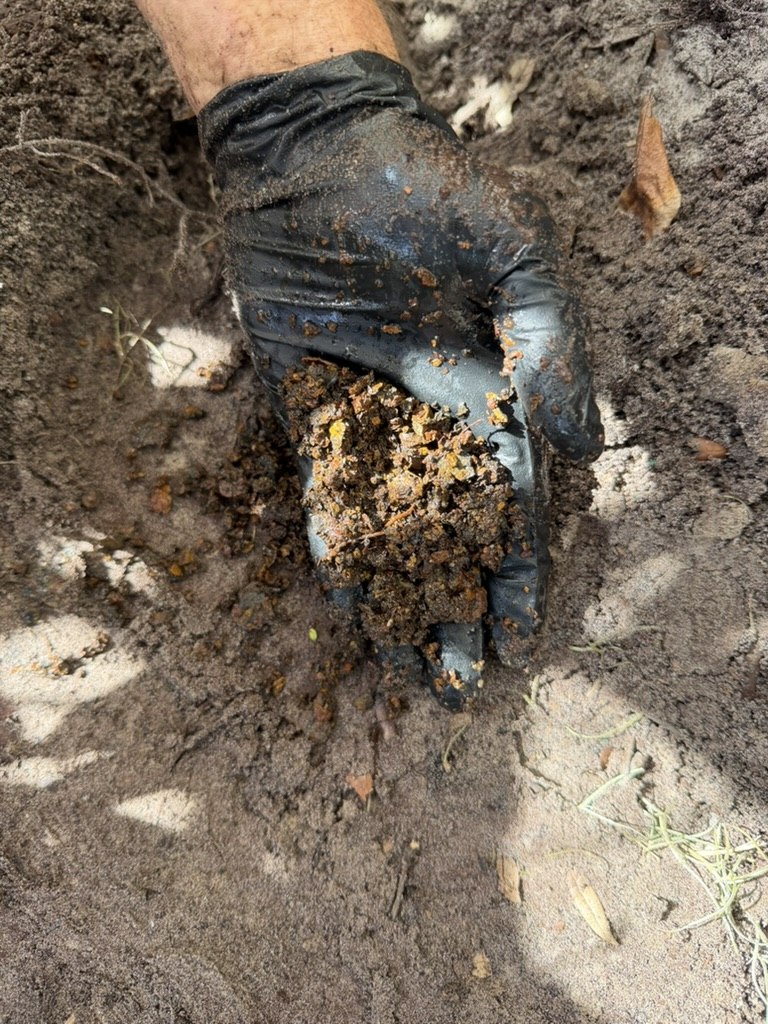
The recurring problem at this home went beyond a single clog. Flakes from the aging cast iron were contributing to buildup and repeated blockages in the drain lines. An uneven interior can also give everyday waste and debris places to catch.
Cleaning can remove accumulated material and restore drainage, but it does not replace the pipe material that has deteriorated. That distinction matters when deciding whether another cleaning is enough or whether it is time to plan a replacement.
Step 1: Clear the laundry drain P-trap
We started by clearing the stoppage in the laundry drain P-trap. The P-trap is the curved section of drain that holds water to help keep sewer gases from entering the home. A blockage there can stop the laundry drain from emptying even before water reaches the rest of the system.
Opening that local blockage addressed the immediate stoppage. Because the home was experiencing recurring problems, we continued investigating the drain lines beneath the house.
Finding the cleanout—and why access matters
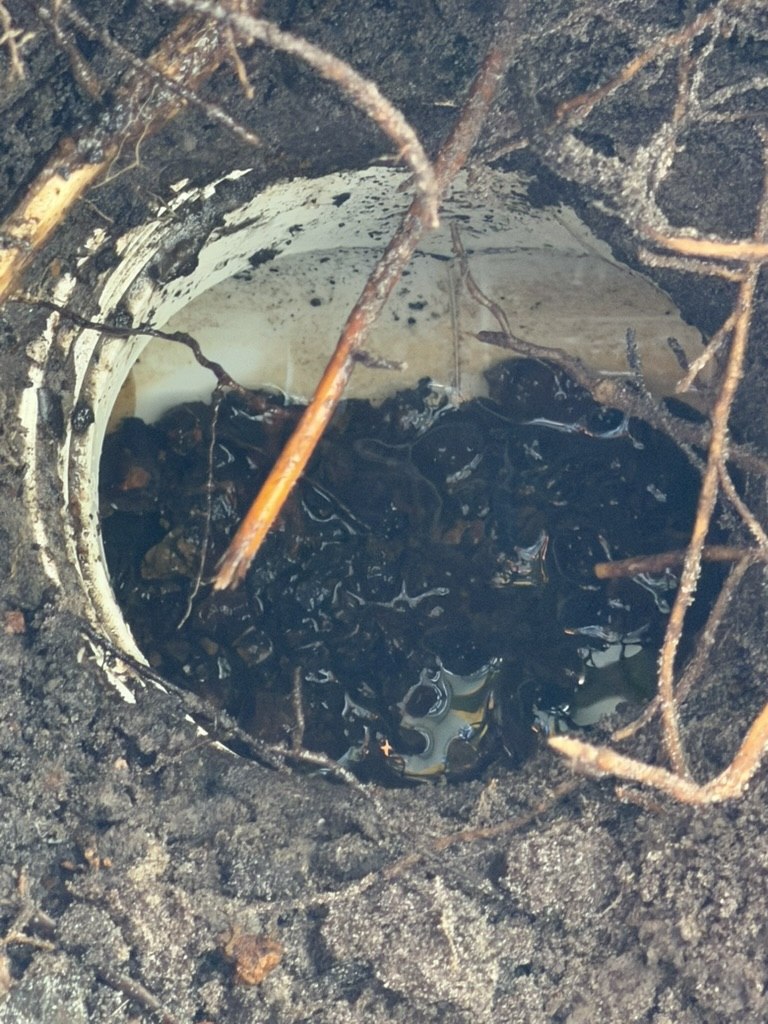
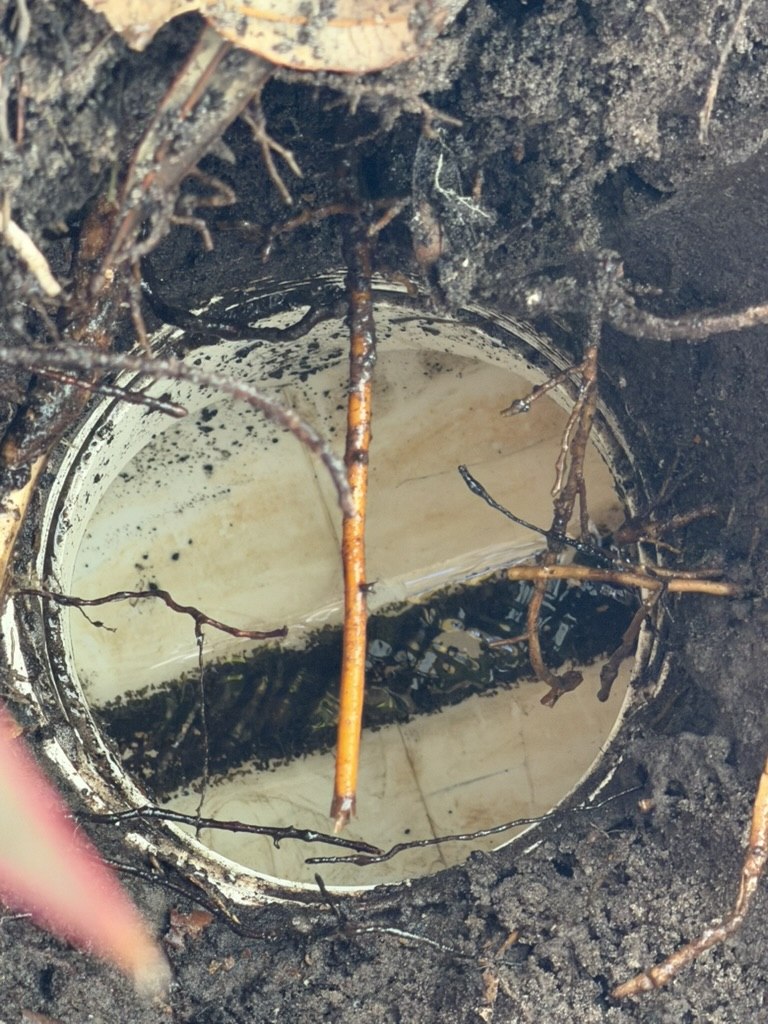
We also had to locate the home’s cleanout. A sewer cleanout is a capped access point that allows a plumber to reach the drain line for inspection and cleaning. Landscaping and accumulated soil can make an existing cleanout difficult to find.
Some homes do not have a cleanout, and others have one that has become buried or inaccessible. Without a suitable access point, service may require another approach, such as working through an appropriate vent or removing a fixture. The available access and the layout of the plumbing determine what is practical.
An accessible, properly placed cleanout makes future camera inspections and drain cleaning more straightforward. If your home does not have one, we can evaluate where one could be installed. If it does, keep its location noted and avoid covering it with landscaping or permanent improvements.
Step 2: Camera the lines before cleaning
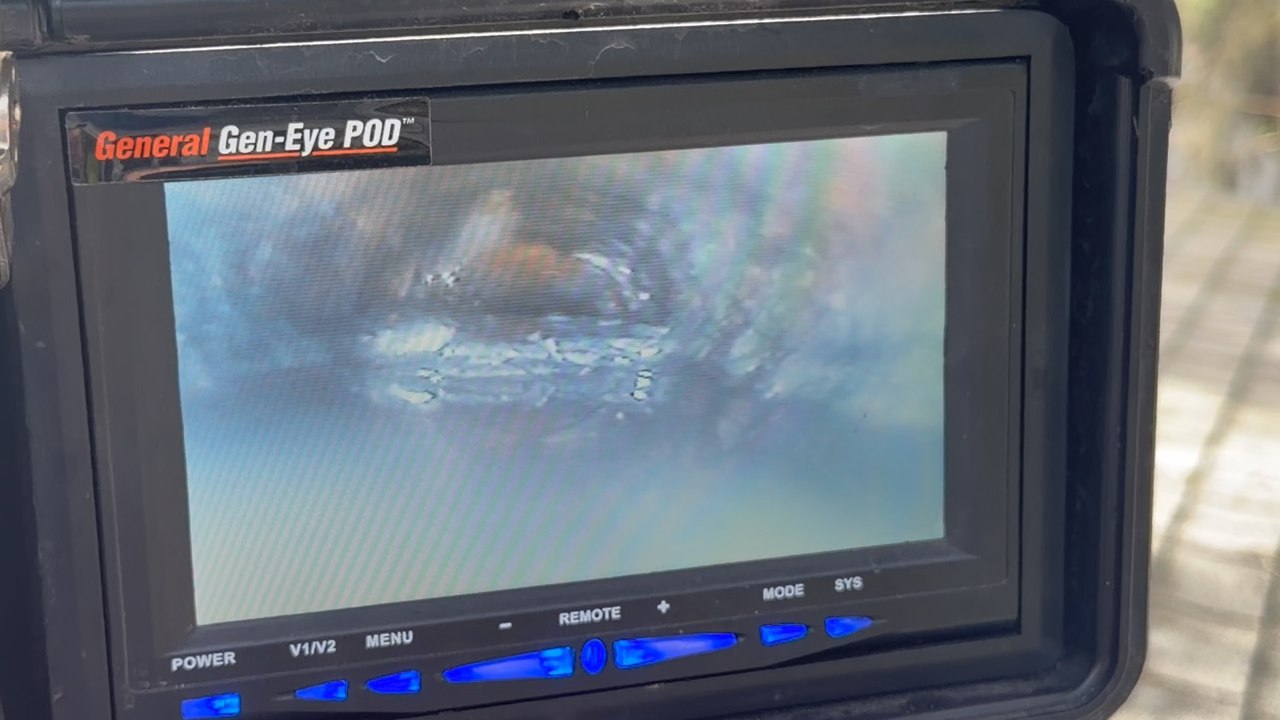
Next, we used a drain camera to look inside the lines. A video sewer inspection helps us understand what is happening beyond the fixture: where material has collected, what the visible pipe interior looks like, and what needs further attention.
At this property, the inspection helped us assess the old cast iron and plan the cleaning. The camera is a diagnostic tool; it cannot measure the remaining strength of the pipe wall or guarantee the condition of every hidden section.
Step 3: Jet the drain lines
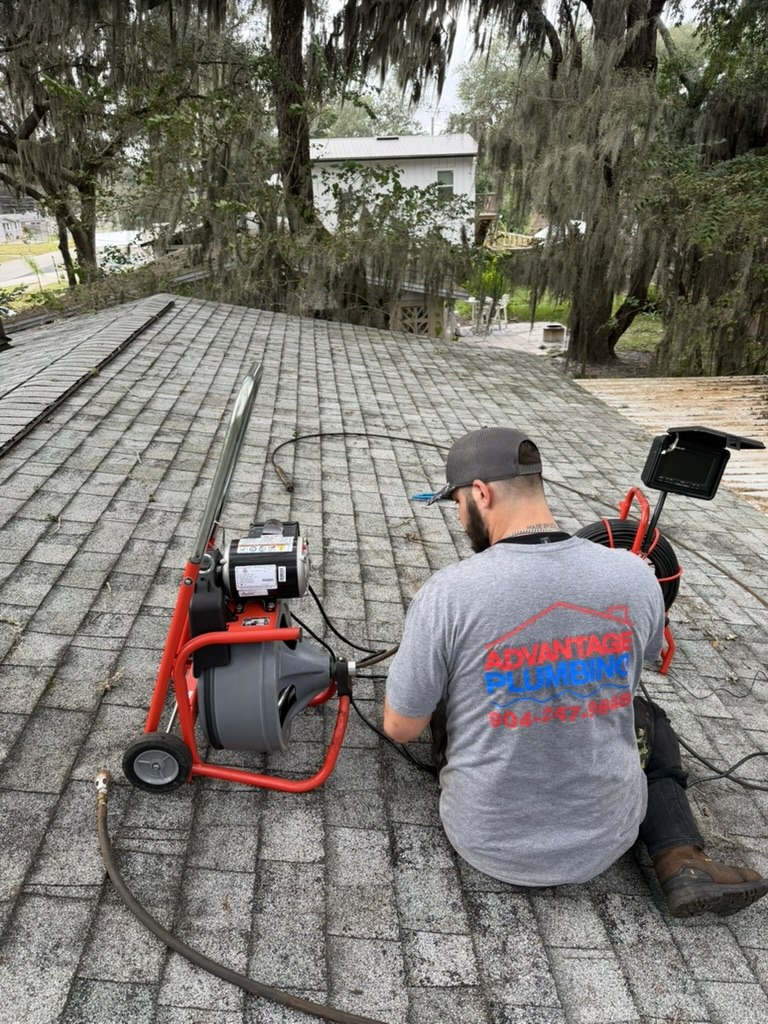
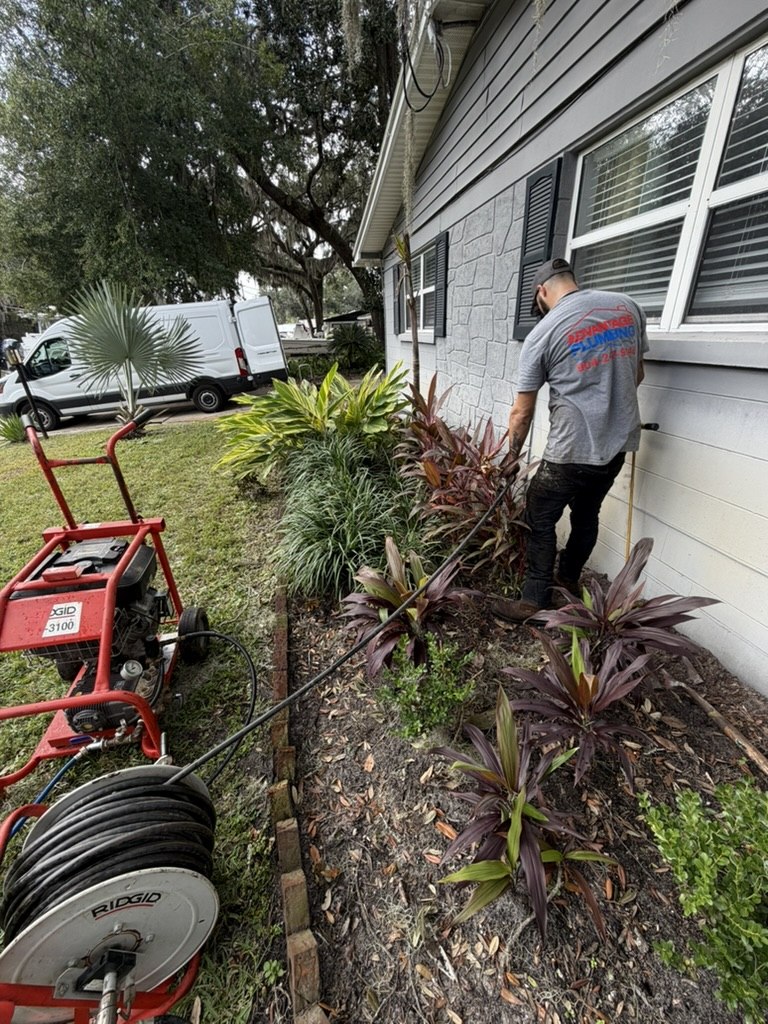
After the initial inspection, we jetted the lines to remove accumulated material. Hydro jetting uses a specialized hose and nozzle to direct water through the drain and flush debris away. RIDGID describes this cleaning action as using water pressure and flow to clear deposits from inside a drain.
Jetting is a cleaning method, and the approach needs to fit the condition of the pipe. Aging, deteriorated drains require an assessment before cleaning; more pressure is not automatically the answer. On this job, we used jetting as part of addressing the existing stoppage and buildup.
Step 4: Camera the lines again to check the result
Once jetting was complete, we ran the camera through the lines again to verify that the inspected sections were clean. The follow-up view let us check the result of the cleaning and assess the visible pipe condition with the accumulated material removed.
A clean line is a useful result, but it does not make deteriorated cast iron new again. The underlying pipe condition still needs to be considered when planning for recurring problems.
The long-term plan for this home: a redrain
For this particular home, our long-term recommendation is a redrain: replacing the deteriorated drain piping included in the proposed scope. This is work on the wastewater drainage system, separate from replacing the home’s water supply pipes.
We provided the homeowner with a custom estimate for that solution. The scope needs to account for the home’s layout, the drain connections, access to the piping, and the work required to complete the replacement. The redrain has been recommended and estimated; it was not performed as part of this cleaning visit.
Old cast iron alone does not mean every home needs the same repair. The recommendation should follow the findings at the property. Here, the flaking and recurring stoppages made it important to discuss a plan that addresses the deteriorating lines themselves.
Clear the stoppage. Inspect the cause. Verify the cleaning. Plan for the pipe’s long-term condition.
What homeowners can learn from this job
- Repeated clogs deserve a closer look. If the same drain keeps stopping up, ask what is causing it and whether a camera inspection would help.
- Know where your cleanout is. Keep it accessible, and ask about adding one if your home lacks suitable access.
- Ask what the cleaning accomplished. A follow-up camera inspection can help show the condition of the sections that were inspected after cleaning.
- Understand the difference between cleaning and replacement. Jetting removes material; replacing deteriorated drain lines addresses the piping itself.